Picking out window treatments can feel like a minefield, right? You want something that looks good, works well, and doesn’t break the bank. Two popular options are sheer shades and banded shades. They both do the job of covering your windows, but they do it in very different ways. Choosing the wrong one could mean you’re stuck with something that just doesn’t fit your home or your life, and that’s a costly mistake nobody wants to make. Let’s break down what makes each type tick so you can pick the perfect fit.
Key Takeaways
- Sheer shades offer a soft, diffused light and an airy feel, perfect for spaces where you want to keep things bright and open.
- Banded shades provide more control over light and privacy with their alternating opaque and sheer bands.
- Consider the main function of each room: do you need complete darkness for a bedroom or gentle light for a living area?
- Your lifestyle matters; think about how much privacy you need and how often you’ll be adjusting the shades.
- The ’10k mistake’ often comes from choosing style over function or vice versa, leading to dissatisfaction and potential replacement costs.
Understanding Sheer Shades
The Delicate Beauty of Sheer Shades
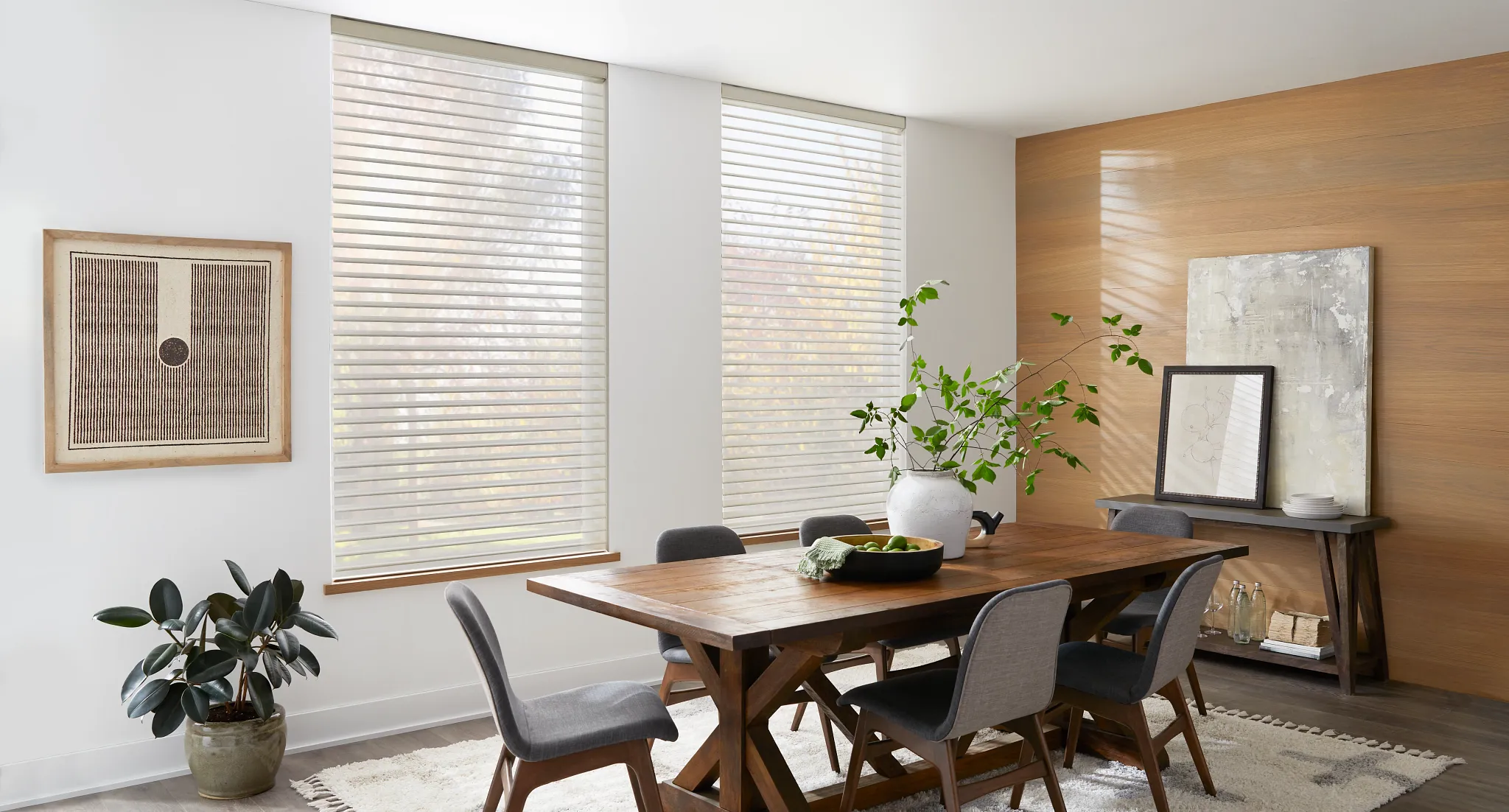
Sheer shades are all about that soft, airy feel. They’re made from lightweight, translucent fabric that lets light filter through, kind of like a gentle veil for your windows. They don’t completely block the outside world, but they do a nice job of softening it. Think of them as the delicate lace of the window treatment world. They add a touch of elegance without being heavy or overpowering. If you’re going for a light and breezy vibe, these are definitely worth a look. They’re great for rooms where you want to feel connected to the outdoors but still want a bit of a buffer.
How Sheer Shades Diffuse Light
This is where sheer shades really shine. Instead of harsh, direct sunlight blasting into your room, these shades take that light and spread it out. It’s like turning a spotlight into a soft glow. This diffusion does a couple of things. First, it cuts down on glare, making it easier to see your screens or just relax without squinting. Second, it creates a really pleasant, ambient light throughout the space. It’s a much more comfortable way to experience natural light, especially during those bright afternoon hours. They’re fantastic for making a room feel warmer and more inviting, all thanks to how they handle the light. You can find out more about how sheer shades offer soft light diffusion.
Privacy Considerations with Sheer Shades
Okay, let’s talk privacy. Because sheer shades are, well, sheer, they aren’t your go-to if you need total blackout or complete concealment. During the day, they offer a decent level of daytime privacy. People outside can’t easily see in, but they might be able to make out shapes or movement. It’s a bit like looking through frosted glass. However, at night, when your indoor lights are on, the privacy factor drops significantly. Anyone outside will be able to see into your home pretty clearly. So, if your main concern is keeping your activities completely hidden, especially after dark, you might need to layer these with something else, like curtains or blinds.
The Allure of Banded Shades
Banded shades, also known as zebra shades, are a really popular choice for a reason. They’ve got this modern, clean look that just works in so many different rooms. Unlike sheer shades that are all about diffusing light, banded shades are built for control. They’re made of alternating stripes of opaque and sheer fabric. This design is what gives them their unique ability to manage light and privacy.
Modern Aesthetics of Banded Shades
These shades have a really sharp, contemporary vibe. The alternating bands of color and transparency create a visually interesting effect even when they’re fully closed. They can add a touch of sophistication without being too fussy. Think clean lines and a streamlined appearance. They’re a great way to make a statement in a room, especially if you’re going for a minimalist or modern decor style. They really do look good in a lot of different settings, from living rooms to bedrooms.
Light Control and Opacity
This is where banded shades really shine. Because of those alternating opaque and sheer bands, you have a lot of flexibility. You can align the bands to let in a good amount of light while still offering some privacy, or you can shift them so the opaque bands block more light. It’s like having multiple shades in one. You can get a pretty good blackout effect when you need it, which is fantastic for bedrooms or media rooms. The level of light control is a big step up from many other types of window coverings.
Durability and Maintenance
Banded shades are generally pretty tough. The fabrics used are often durable, and the mechanism for raising and lowering them is usually quite robust. Cleaning them is usually straightforward too. Most of the time, a gentle dusting or a quick wipe with a damp cloth is all they need. For tougher spots, you might use a mild soap. They don’t tend to snag or tear easily, which is a plus if you have pets or kids running around. They’re a practical choice for busy households.
Here’s a quick look at how they stack up:
| Feature | Banded Shades |
|---|---|
| Light Control | Excellent, adjustable via band alignment |
| Privacy | Good to excellent, depending on alignment |
| Style | Modern, clean, geometric |
| Maintenance | Easy to clean, generally durable |
| Opacity Options | Varies from light filtering to near blackout |
When you’re looking at window treatments, it’s easy to get caught up in just how pretty they look. But with banded shades, you get that good looks and serious functionality. They’re not just a pretty face; they’re a workhorse for your windows. You can find some great options for modern window coverings that fit this description.
Key Differences: Sheer vs. Banded
So, you’re trying to figure out which window treatment is the right fit for your home, and you’ve narrowed it down to sheer shades or banded shades. They both look pretty cool, but they do totally different things. Let’s break down what makes them tick.
Visual Appeal and Style
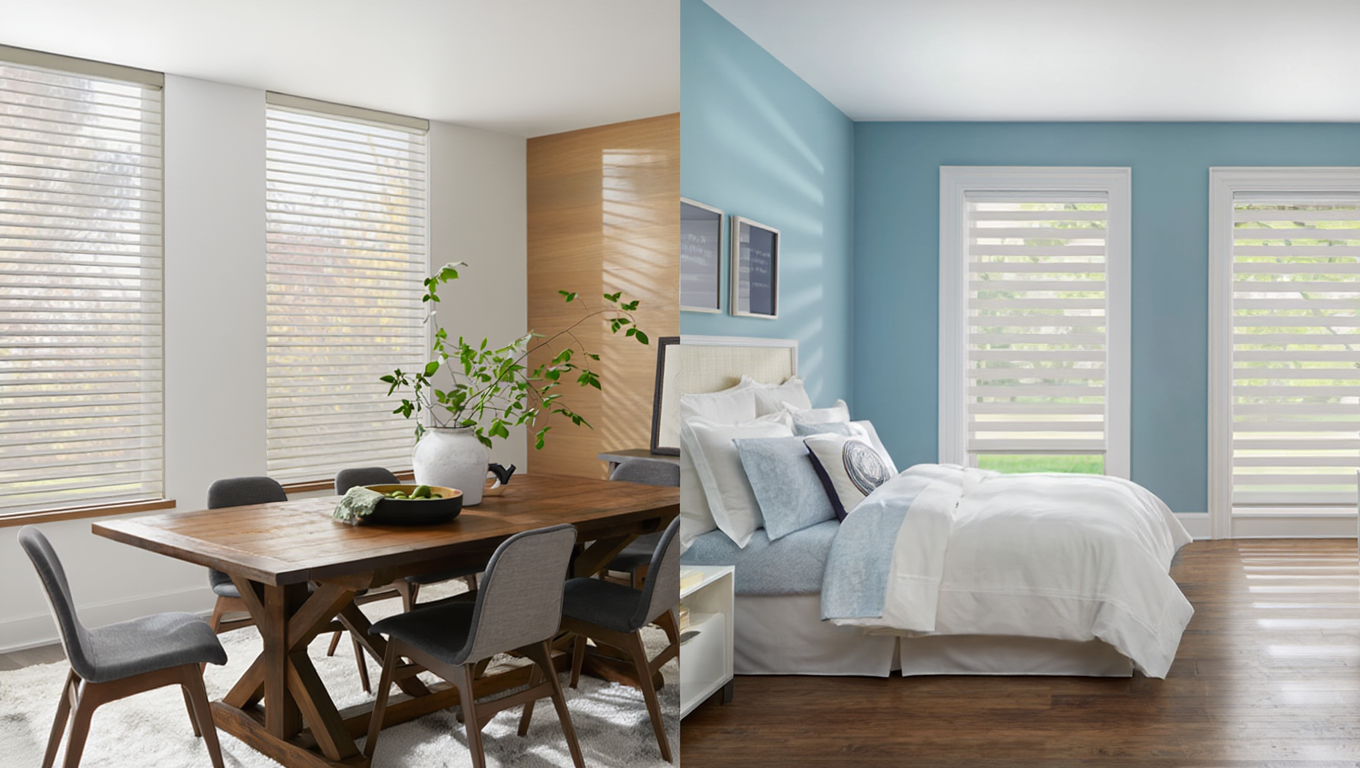
Sheer shades are all about that soft, airy vibe. Think delicate fabrics, often with horizontal vanes or fabric slats that can be tilted. They give you a gentle, diffused light and a look that’s pretty much always elegant. They’re great if you want to soften a room without blocking out the sun entirely. They really bring a sense of lightness and openness to a space. Banded shades, on the other hand, are more about a modern, graphic look. They have alternating stripes of solid fabric and sheer material. This gives them a bolder, more structured appearance. They’re a good choice if you’re going for a contemporary feel and want something that makes a bit of a statement.
Functionality and Light Management
This is where they really diverge. Sheer shades are designed to filter light. You can adjust the angle of the vanes to control how much light comes in and where it goes, but they’re not really about blocking light completely. They offer a minimal level of privacy when the vanes are closed, mostly obscuring the view from the outside while still letting light through. Banded shades offer more versatility. You can align the solid bands to block light and provide privacy, or you can align the sheer bands to let light in. This gives you more control over the light and privacy levels throughout the day.
Here’s a quick rundown:
- Sheer Shades:
- Primary function: Light diffusion and softening.
- Privacy: Limited, offers daytime privacy.
- Light blocking: Minimal.
- Banded Shades:
- Primary function: Light control and modern aesthetics.
- Privacy: Good to excellent, depending on band alignment.
- Light blocking: Can achieve near-complete blockage.
Material and Construction
Sheer shades are typically made from lightweight, often translucent fabrics. The construction is designed to be delicate and airy. Banded shades usually incorporate a mix of solid, opaque fabric bands and sheer fabric bands. The overall construction tends to be a bit more substantial, giving them a more robust feel. This difference in material and construction directly impacts their durability and how they perform in different environments. For instance, if you have kids or pets, the sturdier construction of banded shades might be a better bet.
When choosing between sheer and banded shades, think about what you really need the window treatment to do. Is it about creating a soft ambiance and letting in gentle light, or do you need more control over light and privacy? The answer to that question will steer you toward the right choice.
When Sheer Shades Are the Superior Choice
Sometimes, you just want to let the sunshine in, right? Sheer shades are your best bet when your main goal is to flood a room with natural light while still getting a bit of softness and privacy. They’re perfect for spaces where you want to feel connected to the outdoors without sacrificing all your personal space.
Maximizing Natural Light
If you live in a darker home or a place with limited daylight, sheer shades are a game-changer. They’re designed to let in as much light as possible. Think of them as a gentle filter, not a blocker. This means even on cloudy days, your rooms will feel brighter and more open. They help make even small spaces feel larger and more inviting.
Creating an Airy Atmosphere
Sheer shades have a way of making a room feel light and breezy. The delicate fabric allows light to filter through, creating a soft glow rather than harsh, direct sunlight. This is especially nice in living rooms, dining rooms, or bedrooms where you want a calm and relaxed vibe. They add a touch of elegance without being heavy or overpowering.
Softening Harsh Sunlight
We all know that direct sunlight can be pretty intense, especially during peak hours. It can fade furniture and make it uncomfortable to be in a room. Sheer shades diffuse this harsh light, turning it into a softer, more pleasant illumination. It’s like putting on sunglasses for your house – it cuts down the glare but still lets you see out.
Here’s a quick look at what makes them great for light:
- Light Transmission: High, allowing maximum daylight.
- Glare Reduction: Moderate, softening direct sun.
- Privacy Level: Low to moderate, offering a veil rather than a solid barrier.
Choosing sheer shades is about embracing the light. They’re ideal for rooms where you want to feel open and connected to the outside world, while still maintaining a sense of gentle privacy and a soft ambiance. They don’t block your view, but rather, they enhance the natural light and create a more pleasant environment.
When Banded Shades Outshine Sheer Options
Sometimes, you just need a window treatment that means business. While sheer shades are lovely for their soft diffusion, they just can’t cut it when your primary goal is serious light control or a need for solid privacy. That’s where banded shades really shine.
Need for Complete Light Blocking
If your bedroom is a sanctuary for sleep, or you have a home theater room where you want zero light bleed, banded shades are your go-to. They offer a much more robust way to block out the sun compared to the gentle filtering of sheers. You can actually achieve near-total darkness, which is pretty important for catching those Z’s or enjoying a movie without glare.
Enhanced Privacy Requirements
Let’s be honest, sheer shades offer minimal privacy. Anyone walking by can pretty much see into your home, especially at night when your lights are on. Banded shades, with their solid fabric bands, provide a much higher level of privacy. You can feel secure knowing your personal space is, well, personal.
Modern and Bold Interior Design
Beyond just function, banded shades bring a distinct visual punch. They have a more structured, contemporary look that can really define a room. If you’re aiming for a clean, modern aesthetic or something a bit more dramatic, the crisp lines and defined bands of these shades can be a fantastic design element. They’re not shy; they make a statement.
Banded shades are the workhorses of the window treatment world when you need more than just a pretty face. They tackle light blocking and privacy head-on, making them a smart choice for specific rooms and needs.
Avoiding the Costly Mistake
Matching Shades to Room Function
So, you’ve been eyeing those gorgeous sheer shades, picturing soft light filtering into your living room. Or maybe you’re leaning towards the sleek, modern look of banded shades for your bedroom. It’s easy to get caught up in the aesthetics, but here’s where that $10k mistake can creep in: picking shades based on looks alone, without thinking about what the room is actually for. A bedroom, for instance, usually needs more darkness for sleep than a living area. Putting sheer shades in a room where you need total blackout could mean you’re constantly fighting with light, or worse, you’re not getting the rest you need. On the flip side, using banded shades in a bright, airy sunroom might make it feel a bit too closed off.
Considering Your Lifestyle Needs
Think about how you use your space day-to-day. Do you work from home and need to control glare on your computer screen? Or maybe you have young kids and need shades that are easy to clean and can withstand a bit of roughhousing. Sheer shades, with their delicate fabric, might not be the best choice for a high-traffic play area. Banded shades, while stylish, might require more careful handling. It’s about finding a balance between what looks good and what actually works for your life. Don’t let a beautiful window treatment become a daily frustration.
The Long-Term Value of the Right Choice
Choosing the right shades isn’t just about the initial purchase; it’s about the long-term satisfaction and functionality they bring to your home. Getting it wrong can mean replacing them sooner than you’d like, which adds up. It’s like buying a fancy couch that looks amazing but is incredibly uncomfortable – you’ll regret it every time you sit down. Taking the time to consider the room’s purpose and your personal habits will save you headaches and money down the road. It’s an investment in your home’s comfort and usability.
So, What’s the Takeaway?
Look, picking out window treatments can feel like a big deal, and honestly, it is. You want something that looks good, works right, and doesn’t cost a fortune. We’ve talked about sheer versus banded shades, and hopefully, you’re feeling a bit more confident about what’s best for your place. Made in the Shade North Jersey can help you navigate these choices, offering expert advice to ensure you select the perfect shades that balance aesthetics with your specific needs for light control and privacy. Don’t sweat it too much, though. At the end of the day, it’s about making your home feel like yours. Take your time, consider your options, and go with what feels right for your space and your wallet. You’ve got this!
Frequently Asked Questions
What’s the main difference between sheer and banded shades?
Sheer shades are made of light, see-through fabric that softens sunlight. Banded shades have alternating stripes of sheer and solid fabric, offering more control over light and privacy.
Can sheer shades provide privacy?
Sheer shades offer a level of privacy by obscuring direct views into your home, but they don’t block light completely. They’re best for rooms where complete privacy isn’t the top priority, like living rooms.
Are banded shades good for blocking light?
Yes, banded shades are excellent for blocking light. By aligning the solid bands, you can significantly reduce the amount of light entering a room, making them suitable for bedrooms or media rooms.
Which type of shade is more modern?
Banded shades often have a more modern and sleek appearance due to their distinct stripes and clean lines. Sheer shades tend to offer a softer, more classic look.
Are sheer shades difficult to clean?
Generally, sheer shades are quite easy to maintain. A gentle dusting or vacuuming usually suffices. For tougher spots, spot cleaning with a mild detergent and water is often recommended.
Which shade should I choose if I want both light and darkness?
Banded shades are a great choice if you want the flexibility to switch between letting in light and blocking it out. You can adjust the bands to control exactly how much light enters your room.