Thinking about roller shades? Here are the main things to remember to help you pick the perfect ones for your home.
Key Takeaways
- Roller shades come in many fabrics and levels of see-throughness (opacity) to control light and privacy.
- You can choose how the shade rolls up (standard or reverse) and how it operates (cordless, loop, or motorized).
- DIY installation is possible with basic tools, but measuring precisely is super important for a good fit.
- For tricky windows or if you want a perfect job, professional installation is a good idea.
- Motorized and smart home options offer a lot of convenience and modern living.
Understanding Your Roller Shade Options
Picking out window treatments can feel a bit overwhelming, right? You want something that looks good, works well, and fits your home. Roller shades are a super popular choice because they’re pretty straightforward and can really change how a room feels. They’re a sleek, modern option that can be customized in a bunch of ways.
Exploring Different Roller Shade Fabrics and Opacities
When you’re looking at roller shades, the fabric and how much light it lets through (its opacity) are big deals. You’ve got a few main choices here, and they all do different things for your room.
- Light Filtering: These fabrics let in a good amount of natural light, softening it and reducing glare. They’re great for living rooms or kitchens where you want a bright atmosphere but still need some privacy. You can still see a silhouette through them, but not much detail.
- Room Darkening: These are a step up from light filtering. They block out a significant amount of light, creating a more subdued atmosphere. They’re good for bedrooms or media rooms where you want to cut down on light but don’t necessarily need total darkness.
- Blackout: If you want to block out pretty much all light, blackout shades are the way to go. These are perfect for bedrooms, nurseries, or home theaters where you need complete darkness. They offer the highest level of privacy and are great for sleeping in or watching movies without any light interference. Classic vinyl blackout roller shades are a solid bet for this.
Choosing Between Standard and Reverse Roll Styles
How the shade actually rolls up can make a difference in how it looks. There are two main ways they roll:
- Standard Roll: The fabric rolls off the front of the shade roll. This is the most common type. It works well for most windows, but sometimes the roll can be a little more visible.
- Reverse Roll: The fabric rolls off the back of the shade roll. This often gives a cleaner look, especially if you have trim around your window, as it helps hide the roll mechanism. It can be a nice touch if you’re going for a really polished appearance.
Understanding Light Filtering, Room Darkening, and Blackout Effects
This is probably the most important part when you’re deciding what you need your shades to do. It all comes down to how much light you want to control.
The level of light control you choose will directly impact the mood and functionality of your space. Think about how you use each room throughout the day and what kind of atmosphere you want to create.
Here’s a quick breakdown:
| Shade Type | Light Blockage | Privacy Level | Best For |
|---|---|---|---|
| Light Filtering | Partial | Moderate | Living rooms, kitchens, general daytime use |
| Room Darkening | Significant | High | Bedrooms, media rooms, offices |
| Blackout | Near 100% | Complete | Bedrooms, nurseries, home theaters |
Choosing the right opacity is key to getting the look and feel you want for your home. You can find a wide variety of custom window shades that offer these different effects.
Customizing Your Roller Shades for Style and Function
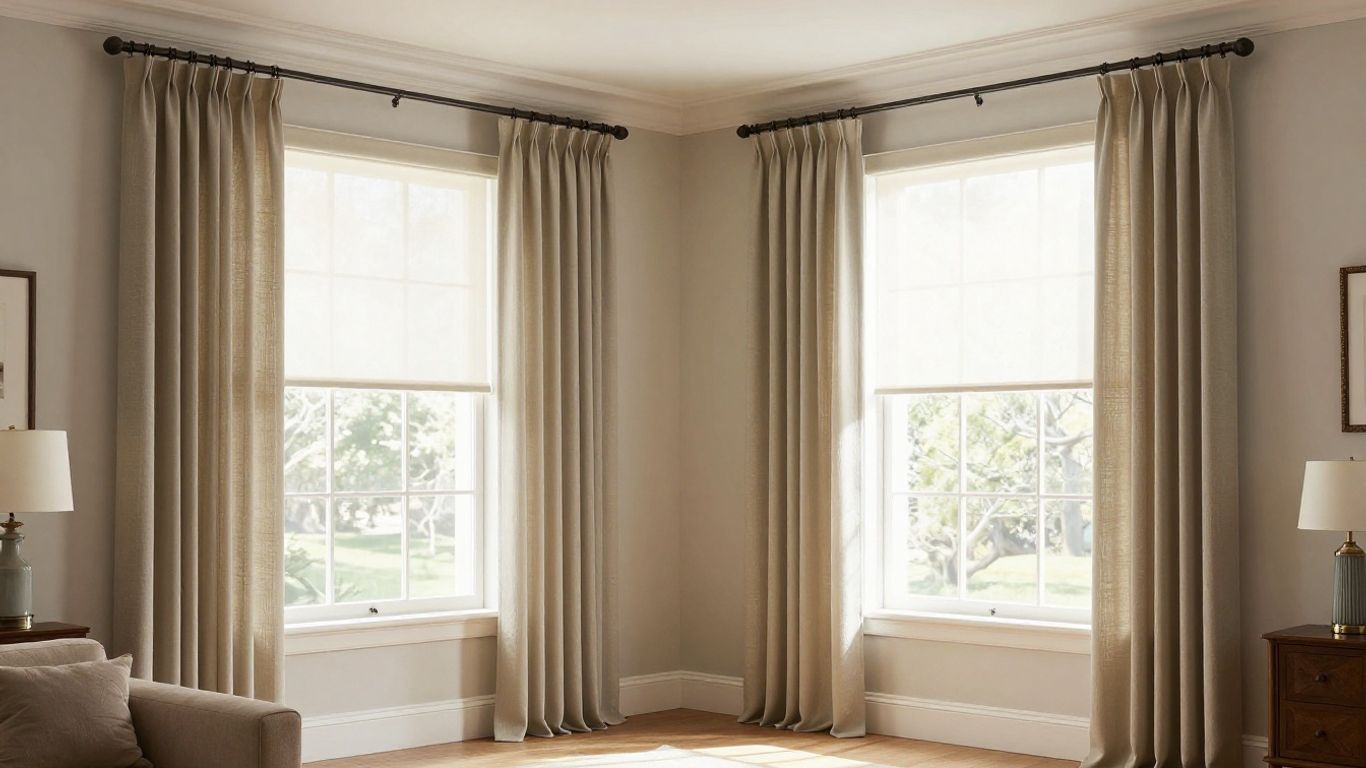
Personalizing your roller shades goes beyond basic window coverage—these choices help your space look and function the way you want it to. Let’s break down some of the big decisions you’ll make along the way, from selecting colors to choosing performance features.
Selecting Colors and Patterns to Complement Your Decor
Color and pattern matter just as much as the type of shade you pick. Neutral tones—think light grays, beiges, and whites—blend with almost any room, while bold colors or graphic prints act as statement pieces. For modern living rooms, you might want something sleek and simple, but in a playful space, a geometric or floral pattern can add fun. Roller shades come in a huge range of colors and prints, so don’t be afraid to request fabric samples.
- Neutral shades bring calm and work in minimal spaces.
- Darker colors can help block more light and add drama.
- Prints and patterns can tie together a room’s theme or stand out as a feature.
If you’re unsure where to start, hold samples next to your walls or furniture in different lighting throughout the day. It’s surprising how a color that looks great in the showroom changes at home.
Considering Opacity Levels for Light and Privacy Control
Roller shades offer several opacity levels, each affecting both how much light enters and your privacy. Here’s a quick rundown:
| Opacity Type | Light Control | Privacy | Room Suitability |
|---|---|---|---|
| Sheer | Softly diffuses | Low | Living/dining rooms |
| Light-filtering | Moderate reduction | Moderate | Kitchens, bedrooms |
| Room-darkening | High | High | Nurseries, bedrooms |
| Blackout | Nearly total block | Complete | Media rooms, bedrooms |
Light-filtering fabrics are perfect if you want to soften daylight but still want some outside view. If you need more coverage—say for a bedroom blackout effect—opt for thicker or lined shades. Remember, the higher the opacity, the less you can see out, making these choices especially important for privacy on street-facing windows.
Exploring Upgraded Headrail and Cassette Options
The top of your roller shades does more than just hold the fabric—it can change the whole look of your window! For a cleaner finish, you can select an upgraded headrail or a cassette that hides the roll and mounting parts. These options are especially useful if you want that crisp, modern style without exposed mechanics.
- Standard exposed roll: visible fabric at the top, more casual look
- Cassette: fabric-covered valance creates a tailored, truly finished appearance
- Metal or color-matched brackets: subtle upgrades that help match your trim or hardware
Some premium systems even let you pair these options with cordless or motorized controls for ultimate convenience.
Upgrading the headrail not only makes the shade look more polished, but it can also help protect the fabric from dust and fading, keeping your shades functional and stylish much longer.
If you’re ready to play with different combinations, many shade retailers offer customization options where you pick everything from the cassette finish to the opacity—all to make your shades fit your space perfectly.
Operating Your Roller Shades with Ease
Roller shades are a pretty straightforward window treatment, but how you open and close them can really change your daily routine. Gone are the days of just yanking on a cord. Today, you’ve got some really neat options that make controlling light and privacy simpler than ever.
The Convenience of Cordless Roller Shades
If you’ve got kids or pets running around, or you just appreciate a clean look, cordless roller shades are a fantastic choice. They eliminate dangling cords altogether, which is a big win for safety and aesthetics. You simply pull the shade down or push it up with your hand. It’s a smooth, quiet operation that feels really modern. Plus, no more tangled cords to deal with when you’re trying to adjust the light.
Understanding Continuous Loop Systems
For those who prefer a bit more control than a simple pull-cord but aren’t quite ready for full automation, the continuous loop system is a great middle ground. This system uses a loop of chain (either metal or plastic) that stays the same length. You pull one side of the loop to raise the shade and the other side to lower it. It’s a really reliable way to operate shades, especially larger ones, because it distributes the weight evenly. It’s also a good option if you have windows that are a bit too high to reach easily but not so high that you need a motor. You can find these on many custom window treatments.
Embracing Motorized and Smart Home Integration
Now, this is where things get really interesting. Motorized roller shades are becoming super popular, and for good reason. They offer the ultimate in convenience. You can control them with a remote, an app on your phone, or even with voice commands through smart home assistants like Alexa or Google Home. Imagine closing all your shades at once with a single command as you head to bed, or scheduling them to open with the sunrise. It’s not just a luxury; it can also help with energy efficiency by automatically adjusting to keep your home cooler in the summer and warmer in the winter. If you’re building a new home or doing a major renovation, you might even consider hard-wired options, but for most existing homes, rechargeable battery-powered motors are a popular and easy choice. It really makes your home feel more connected and responsive.
DIY Installation of Roller Shades
So, you’ve picked out the perfect roller shades and you’re ready to tackle the installation yourself. That’s awesome! It’s totally achievable with a little patience and the right approach. Most custom roller shades come with pretty clear instructions, and honestly, it’s not rocket science. You’ll likely need a few basic tools, and the most important thing is getting those measurements spot on. A shade that’s even a smidge off won’t block light the way you want it to, and it just won’t look quite right.
Essential Tools for a Smooth Installation
Before you start, gather your supplies. Having everything ready makes the process so much smoother. You’ll probably need:
- A drill with various bits
- A screwdriver set (Phillips and flathead)
- A sturdy measuring tape (metal ones are usually best)
- A level to make sure everything is straight
- A pencil for marking
- A stepladder or sturdy stool
- Safety glasses (always a good idea when drilling!)
Precise Measuring Techniques for Perfect Fit
This is where you really want to pay attention. Your shade manufacturer will have specific instructions, but generally, you’ll be measuring for either an inside mount (within the window frame) or an outside mount (on the wall or trim around the window). Double-checking your measurements is the single most important step for a successful DIY installation.
- For Inside Mount: Measure the exact width of your window opening at the top, middle, and bottom. Use the smallest measurement. Then measure the height from the top of the window opening to the sill at three points (left, middle, right) and use the longest measurement. Note the depth of the window frame to ensure your shade will fit.
- For Outside Mount: Decide how much you want the shade to overlap the window opening on all sides (usually an inch or two on the sides and top, and more on the bottom if you want to cover the sill). Measure the width and height of the area you want to cover, adding your desired overlap.
Mounting Brackets and Securing Your Shades
Most roller shade kits come with the necessary mounting brackets and screws. You’ll typically attach these brackets to your window frame or the wall above the window, depending on your mount type and the shade’s instructions. Use your level to ensure the brackets are perfectly aligned before you drill pilot holes and secure them. Once the brackets are firmly in place, the shade usually just snaps or slides into them. If your window trim is a bit tricky, some shades come with spacer blocks to give you the clearance you need. It might take a little patience, especially if you’re not used to DIY projects, but saving money on installation is pretty sweet. Just take your time, follow the steps, and you’ll have your new shades up and looking great in no time. If you’re looking for professional help, you can always explore expert roller shade installation services in your area.
When to Consider Professional Roller Shade Installation
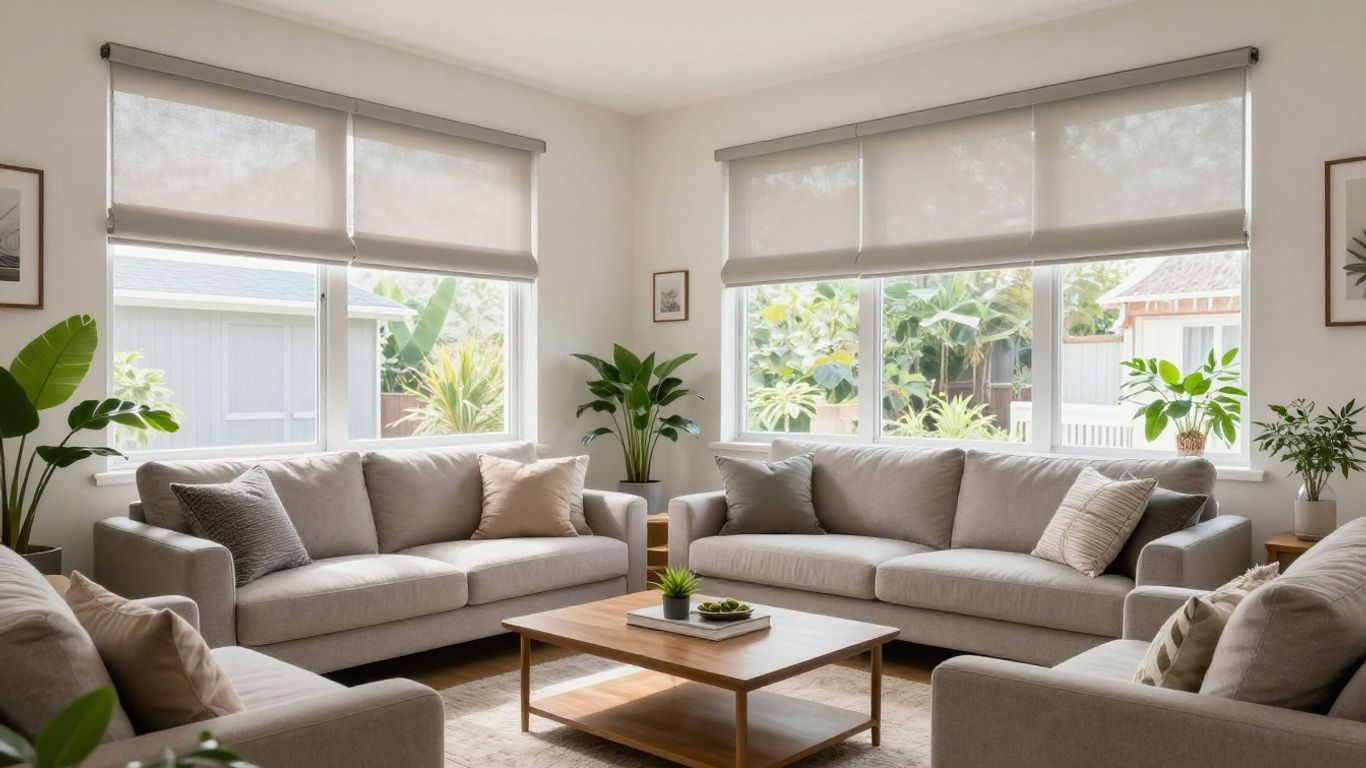
While many roller shade installations are totally doable as a DIY project, there are definitely times when calling in the pros makes a lot more sense. It’s not about whether you can do it yourself, but rather when it’s worth your time and effort to have someone else handle it.
Handling Large or Uniquely Shaped Windows
Big windows can be a real challenge. We’re talking about those floor-to-ceiling beauties or windows that are wider than a standard door. These shades are often heavy and awkward to maneuver, and getting them perfectly level and secured requires a bit of finesse. Professionals have the right tools and experience to handle these larger, heavier shades safely and effectively. They can ensure the brackets are properly anchored and the shade operates smoothly without any strain on the mechanism. This is also true for windows with unusual shapes, like arches or circles. While custom shades can be made for these, getting them installed just right so they look good and function properly often needs a skilled hand.
Ensuring Proper Functionality and Longevity
Even with standard-sized windows, there are situations where professional installation is a smart move. If you’ve invested in high-end, motorized, or smart roller shades, you’ll want to make sure they’re set up perfectly. Incorrect installation can lead to operational issues, premature wear and tear, or even voiding the warranty. A professional installer knows the ins and outs of different systems and can guarantee that everything is working as it should. This peace of mind is often well worth the cost, especially for complex systems.
The Benefits of Expert Measurement and Fitting
Getting the measurements exactly right is probably the most critical part of any shade installation. A shade that’s even a fraction of an inch off can look awkward and might not block light as effectively as it should. Professionals are trained to measure windows precisely, taking into account any trim, molding, or architectural quirks that might affect the fit. This precision means your shades will hang perfectly straight, operate smoothly, and provide the best possible light control and privacy. It’s about getting that polished, finished look that really makes a difference in a room. For many, this level of accuracy and the resulting aesthetic are reasons enough to opt for professional window blind installation.
Sometimes, the cost of professional installation can seem high, but when you factor in the time saved, the avoidance of potential mistakes, and the guarantee of a perfect finish, it often proves to be a cost-effective solution in the long run. Plus, many professional services come with their own warranty, adding another layer of security to your investment.
Here’s a quick rundown of when to lean towards professional help:
- Window Size/Shape: Very large, very small, or unusually shaped windows.
- Shade Complexity: Motorized, smart-home integrated, or high-end custom shades.
- Height/Accessibility: Shades installed high up or in hard-to-reach places.
- DIY Hesitation: If you’re not comfortable with tools, measuring, or the installation process itself.
- Warranty Concerns: If you want to ensure your warranty remains valid.
Ultimately, deciding between DIY and professional installation comes down to your comfort level, the complexity of the shades, and the specific characteristics of your windows. If you’re in doubt, it’s always best to get a quote from a professional installer to compare the costs and benefits. You can often find local services that offer installation services for various types of window treatments.
Enhancing Your Home with Advanced Roller Shade Features
So, you’ve picked out the perfect roller shades for your home – great! But did you know you can take them to the next level with some pretty cool advanced features? We’re talking about making your life easier and your home feel a bit more futuristic, without being complicated.
Motorized Operation for Effortless Control
Let’s be honest, who doesn’t love a little convenience? Motorized roller shades are a game-changer, especially for those windows that are just out of reach or a bit too high to bother with. Imagine adjusting all your window coverings with a single touch of a button or even a voice command. It’s not just about being fancy; it’s about making your home more accessible and responsive. Think about those times you’re settled on the couch and realize the sun is glaring – no need to get up! You can simply tell your shades to adjust. This is also a big plus for safety, especially if you have young kids or pets, as it eliminates dangling cords.
- Ease of Use: Adjust shades from anywhere in the room.
- Accessibility: Perfect for high or hard-to-reach windows.
- Safety: Cordless operation removes potential hazards.
- Convenience: Schedule shades to open or close automatically.
Smart Home Integration for Automated Living
This is where things get really interesting. Your roller shades can become a connected part of your home’s smart system. You can link them up with your existing smart home hub, like Alexa or Google Home, and have them work in sync with your lights, thermostat, and even security system. You could set up a "Good Morning" routine where your bedroom shades gradually open as your alarm goes off, or a "Movie Night" scene that closes all the shades at once. It makes managing your home feel more intuitive and efficient. It’s like giving your windows a brain!
Integrating smart technology into your window treatments can significantly improve your home’s comfort, security, and energy efficiency. It’s a modern upgrade that pays off in daily convenience.
Exploring Solar Shades for Glare and Heat Reduction
Solar shades are a specific type of roller shade designed to tackle glare and heat from the sun. They’re made with a special fabric that acts like sunglasses for your windows. They cut down on harsh sunlight and block harmful UV rays, which is great for protecting your furniture and floors from fading. But here’s the cool part: they do this while still letting you see outside, so you don’t lose your view. This makes them ideal for living rooms, home offices, or any space where you want to reduce sun intensity without making the room completely dark. When you combine solar shades with motorization, you get effortless control over your home’s light and temperature throughout the day. You can find a wide variety of solar shades that fit your style and needs.
Here’s a quick look at what solar shades offer:
- Glare Reduction: Minimizes eye strain and improves visibility on screens.
- UV Protection: Shields furniture, flooring, and artwork from sun damage.
- View Preservation: Maintains your connection to the outdoors.
- Heat Control: Helps keep rooms cooler by blocking solar heat gain.
Want to make your home look even better with smart roller shades? These shades can do more than just block the sun; they can add style and keep your home private. Imagine controlling your window coverings with just a touch or even by voice! It’s a simple way to upgrade your living space and make life a little easier. Ready to see how these cool features can work for you? Visit our website today to explore all the options and find the perfect shades for your home.
Conclusion
So, there you have it! Roller shades are a fantastic way to update your home, offering a great mix of style, privacy, and light control. Whether you’re a DIY pro or prefer a helping hand, there’s an option for everyone. From picking the right fabric to deciding on a fancy motorized system, these shades can really make a difference in how your home looks and feels. Take your time, consider what you need, and enjoy your newly dressed windows!
Frequently Asked Questions
What’s the difference between light filtering, room darkening, and blackout roller shades?
Think of it like sunglasses for your windows. Light filtering shades let in some light but soften it, like a gentle glow. Room darkening shades block most of the light, making the room dim, great for movie watching. Blackout shades stop pretty much all light, making it super dark, perfect for sleeping.
Are roller shades hard to install myself?
Honestly, most roller shade installations are pretty straightforward. You’ll usually need a drill, a screwdriver, and a measuring tape. The trickiest part is getting your measurements spot on, so double-check those! If you’re comfortable with basic tools and following instructions, you can probably do it.
What does ‘reverse roll’ mean for roller shades?
Normally, a roller shade rolls down from the front of the tube. A reverse roll means it rolls from the back. This can be helpful if you have window trim that might get in the way or if you want a cleaner look where the shade fabric hangs closer to the glass.
Are cordless roller shades safer?
Yes, cordless roller shades are much safer, especially if you have little kids or pets. They don’t have any dangling cords that could be a hazard. You usually just push or pull the shade itself to move it up or down.
Can I control roller shades with my phone?
You sure can! If you get motorized roller shades, many of them can be hooked up to smart home systems or controlled with an app on your phone or a remote. It’s pretty cool to adjust your shades without even getting up.
How do I choose the right fabric for my roller shades?
It depends on what you want. If you need privacy and want to block light, go for thicker, darker fabrics or blackout materials. If you want to let some light in and keep the view, choose lighter, more see-through fabrics. Think about the room’s purpose – a bedroom might need blackout, while a living room might prefer light filtering.