
Key Takeaways
Choosing blackout shades starts with deciding how dark each room needs to be and how much light may still enter around the edges. The right style should work as well with the room’s use as it does with its design.
- Blackout fabrics limit light passing through the shade, but uncovered edges can still let light into a room.
- Room-darkening shades soften incoming light; blackout shades are intended for a darker result.
- Roller, cellular, Roman, and blackout-lined styles offer different looks and practical trade-offs.
- Accurate measurements and a suitable mount help reduce light gaps.
- Consider privacy, controls, cleaning, and window access along with light control.
What blackout shades are and how they work
Blackout shades are window coverings made with fabric intended to block nearly all incoming light. They’re often chosen for bedrooms, nurseries, and media rooms, where a bright window can interfere with rest or screen viewing. The fabric matters, but so does the way the shade fits the window. A small amount of light can still slip around its edges.
How blackout fabrics block incoming light
Blackout fabrics use a dense weave or a coating that prevents most light from passing through the material. When the shade is lowered, the fabric forms a barrier between the glass and the room. That can make a noticeable difference during bright mornings or when streetlights shine toward a bedroom at night.
The shade itself is only part of the setup. Light may also enter around the sides, top, or bottom, depending on the window and mounting choice. For a darker result, think about fabric opacity and fit together rather than expecting the cloth alone to solve every source of light.
What “blackout” means in real-world conditions
“Blackout” describes the fabric’s light-blocking purpose, not a guarantee that every room will become completely dark. Light can pass through uncovered areas around the shade, and the shape of the window frame can affect how closely it sits. The direction of the window and nearby exterior lighting matter, too.
A useful way to set expectations is to separate fabric performance from the finished window treatment. A close, considered fit helps the shade do its job, while a standard inside mount may leave visible gaps along the edges. If you need darkness for daytime sleep or movie viewing, discuss the whole window opening, not just the fabric sample.
Blackout shades vs. room-darkening shades
These labels describe different levels of light control. Blackout fabrics are designed to block nearly all light through the material, while room-darkening fabrics reduce brightness but may let a soft glow come through. The best fit depends on whether the goal is a very dark room or simply less glare and a gentler feel.
This comparison can help clarify the choice before you look at colors or control styles:
| Shade type | Typical effect | May suit |
|---|---|---|
| Blackout | Blocks nearly all light through the fabric | Bedrooms or media rooms |
| Room-darkening | Reduces incoming light while allowing some glow | Living spaces or offices |
| Light-filtering | Softens daylight without making the room dark | Areas where daylight is welcome |
The table describes the fabric’s effect, not the finished room’s exact darkness. For either option, the window’s fit and surrounding light sources can change what you experience in practice.
Benefits of blackout shades
A darker room can make a bedroom feel more restful and a media room easier to use during the day. Blackout shades also provide privacy when lowered and can reduce direct sun on furnishings. They’re a practical choice when light control is a daily need, rather than an occasional preference.
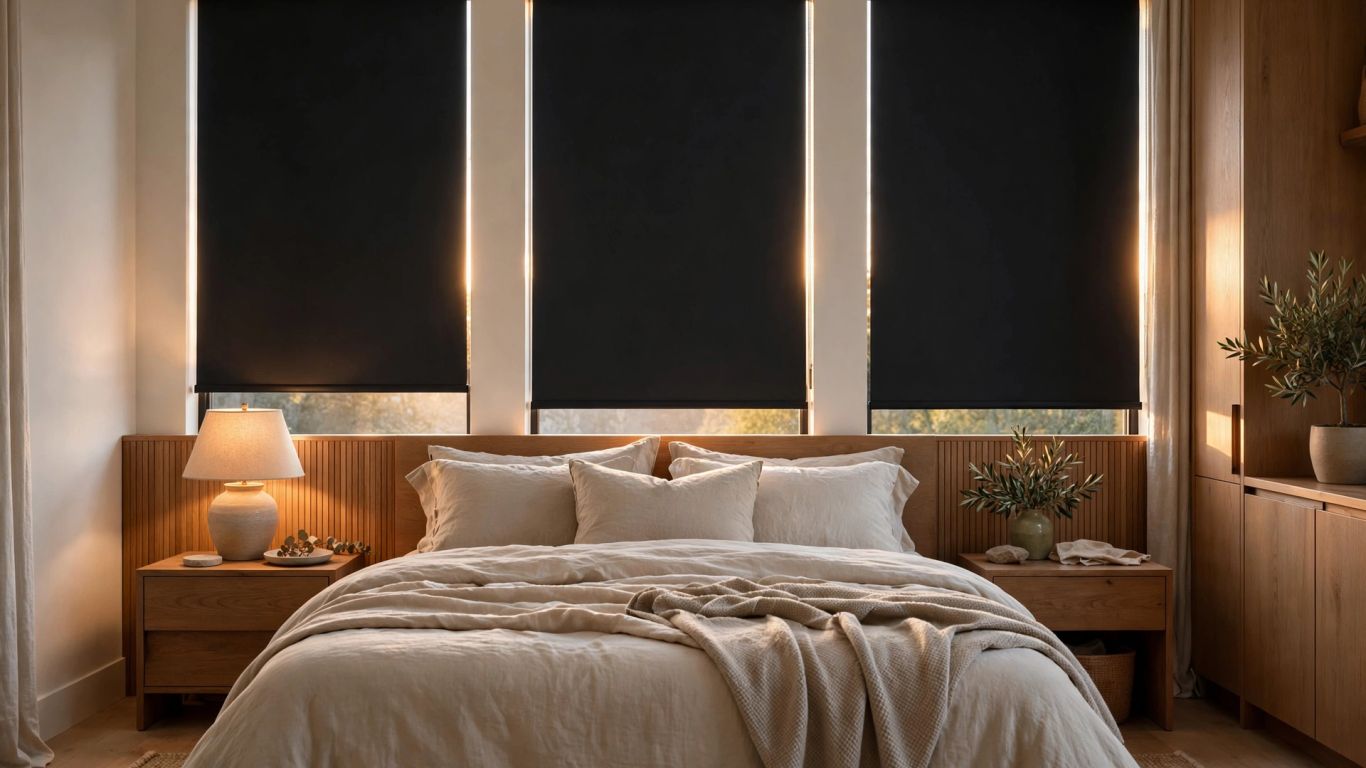
Create a darker space for sleep and relaxation
Early sunrise, a nearby porch light, or a bright afternoon can make it difficult to keep a room restful. Blackout shades help limit light entering through the covered area, which can be useful for bedrooms, nurseries, and rooms used for daytime naps. They can also make it easier to settle in for a film without relying on a dark outside sky.
The right choice depends on how the room is used. A bedroom that needs darkness during the day may call for more complete coverage than a guest room used only at night. Consider when light is most disruptive before choosing an opacity.
Improve privacy and reduce screen glare
When drawn, an opaque shade offers privacy by covering the view through the window. It can also cut down on direct sunlight that reflects off a television or computer screen. In a home office or media room, that can make the space more comfortable without requiring a change to the screen or furniture layout.
Think about the times you use the room. If glare is a problem in the afternoon but privacy matters most after dark, choose a treatment that you’ll find easy to adjust. A shade that stays up because it’s awkward to operate won’t help much when conditions change.
Help protect furniture and floors from UV exposure
Sunlight coming through a window can contribute to fading on floors, upholstery, and other furnishings over time. A lowered shade can limit direct exposure through the covered portion of the glass. The level of protection depends on the fabric and the amount of window coverage, so it’s best to treat this as a helpful layer rather than a complete safeguard.
For rooms with prized textiles or wood finishes, notice where the strongest sunlight lands during the day. That simple observation can help you decide which windows need more coverage and when you’ll want the shades lowered.
Add an extra layer of insulation
Some window treatments add a layer between the room and the glass, which can help moderate the feel of a space near a window. Cellular shades are known for their honeycomb structure, which traps air. Made in the Shade North Jersey offers cellular shades with that honeycomb design to help regulate room temperature.
How much difference you notice depends on the window, the shade, and the conditions in the room. If insulation is a priority, compare materials and construction as well as light control, and consider how the shade will fit the opening.
Popular types of blackout shades
Blackout shades come in several forms, so the choice is not just about how dark the room gets. The profile, folds, texture, and operating style all affect how a treatment looks in the room. Start with the design you want, then check that a blackout fabric or lining is available in a suitable version.
Roller shades for a clean, simple look
Roller shades have a streamlined appearance and roll up neatly when raised. Their simple shape can work well in contemporary rooms, and the fabric can bring color or texture to an otherwise spare window. Made in the Shade North Jersey offers roller shades in a range of fabrics and colors, allowing you to consider the look as well as the coverage.
Check the specific fabric and configuration for the level of light control you need. A clean silhouette suits many spaces, but the way a shade sits within or beyond the window frame still affects how much light enters around it.
Cellular shades for added insulation
Cellular shades have a honeycomb construction, giving them a distinct profile when viewed from the side. Depending on the fabric selected, they can be used for light control while also adding an insulating layer. They’re worth considering when comfort near the window matters as much as a neat, tailored appearance.
Made in the Shade North Jersey offers cellular shades in different opacities for customized light control. Check which available fabric fits the room’s needs, since a cellular style alone does not determine whether it will create a blackout effect.
Roman shades for a softer, tailored style
Roman shades bring a fabric-forward look to the window. They fold into soft pleats as they rise, adding texture and a more tailored feel than a flat shade. If you like this style, ask whether the fabric you prefer can be paired with a blackout lining.
Made in the Shade North Jersey offers Roman shades that fold into soft pleats when raised. The finished effect can feel polished and relaxed at once, while the lining choice determines whether a particular version suits a room that needs stronger light control.
Blackout-lined shades for more fabric and design options
A blackout lining can make it possible to use a decorative face fabric while adding a layer intended to block light. This approach can be especially appealing when you want the texture or pattern of a fabric shade but don’t want the window to feel purely functional. Confirm that the selected fabric and lining are available together before settling on a design.
The lining can also change how the treatment hangs and feels, so consider the finished look from both inside and outside the room. A fabric swatch is useful, but a full-size sample or an in-home review can make color and texture decisions easier.
How to choose blackout shades for each room
Each room has its own balance of light, privacy, and style. A bedroom may need a darker setting for sleep, while a living area may benefit from a softer appearance and flexible control. Decide what the shade needs to do first, then narrow the options by fabric, operation, and finish.
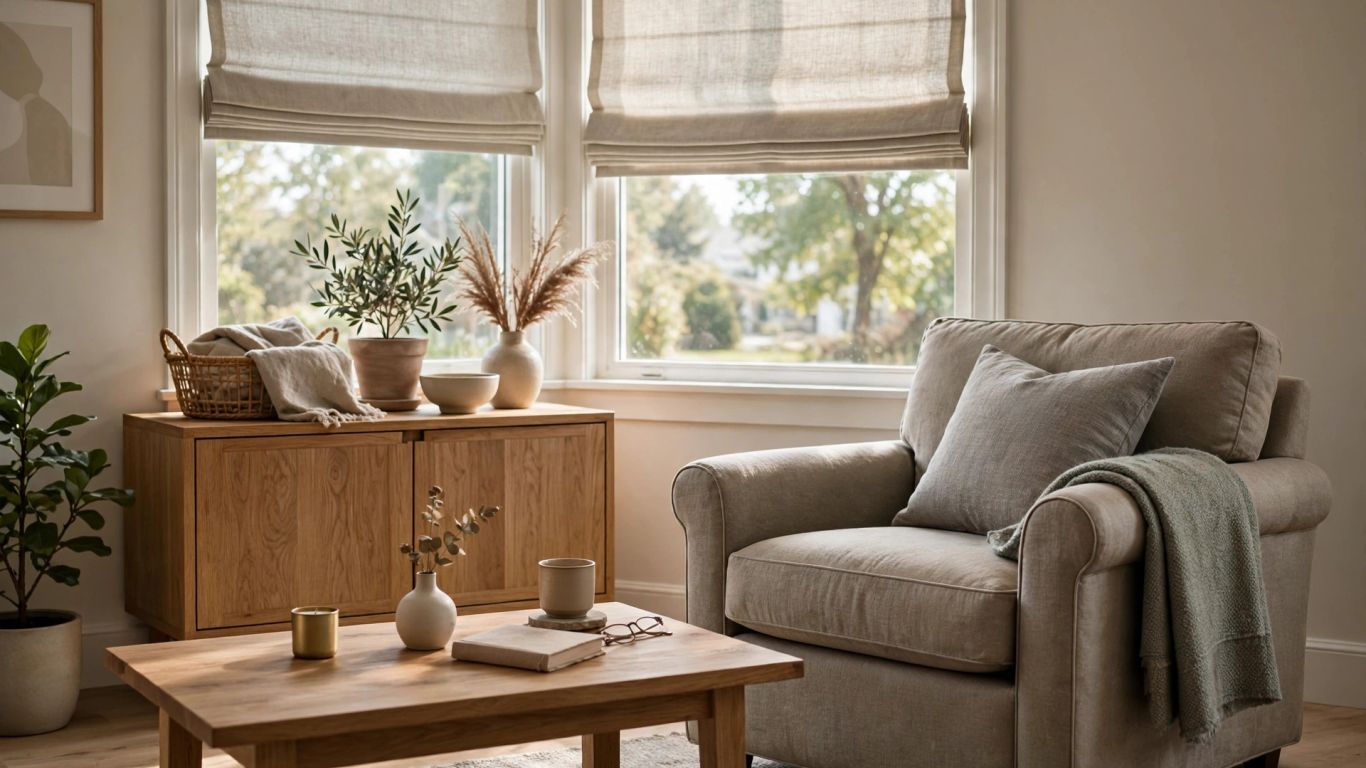
Match the shade to the room’s light-control needs
Start with the room’s purpose and the times of day when light causes trouble. For a nursery or bedroom, consider whether morning sun or nighttime exterior lighting disrupts rest. In a media room, focus on screen glare and how often you watch during daylight hours.
A few practical questions can keep the selection focused:
- Is the main concern early morning light, daytime glare, or nighttime privacy?
- Will the room need darkness at a particular time of day?
- Do you want to cover every window in the room or only the brightest one?
- Will the shade be raised and lowered frequently?
Your answers help separate a genuine blackout need from a preference for softer light. For instance, a room used for reading may feel better with a less opaque option, while a bedroom used for daytime sleep may call for stronger coverage.
Consider fabric, color, and interior style
Blackout does not have to mean a plain or visually heavy window treatment. Available colors and textures can help the shade blend into a calm bedroom or bring definition to a simple space. Look at the fabric beside wall paint, flooring, and nearby upholstery, rather than judging it under showroom lighting alone.
Dark fabric is not automatically the better light blocker; the fabric’s construction and the way the shade fits matter. A lighter shade may suit the room beautifully and still provide the desired opacity, depending on the available material. When you can, review a sample near the actual window.
Compare cordless, motorized, and smart controls
The control style shapes how convenient a shade is in everyday use. A manual control may be all you need for a window you can easily reach, while motorization can simplify operation for high or hard-to-reach windows. Some window treatments can also connect with smart-home systems, so consider whether that is useful in your routine.
Compare the choices by how you’ll actually use them:
- Choose a straightforward manual control when the window is easy to reach and used occasionally.
- Consider cordless operation when you want a simple adjustment without a hanging cord.
- Look at motorized controls for tall, large, or hard-to-reach windows.
- Explore smart-home integration if automated operation fits your existing setup.
The right control is the one that makes it easy to use the shade when you need it. If you’re considering automation, check what control options are available for the specific shade you choose rather than assuming every style offers the same features.
Account for children, pets, and hard-to-reach windows
In homes with children or pets, think about where control cords sit and how often they’ll be within reach. Cordless or motorized options may be worth considering, depending on the product and household needs. Keep the selected control style in mind during planning, not as an afterthought once the shade is already chosen.
For high windows or windows behind furniture, ease of operation matters just as much as appearance. A motorized shade may make daily adjustment simpler, while a reachable window may not need that added feature. Match the operating method to the people and routines in the room.
How to get the best light-blocking fit
Even a shade with blackout fabric can leave a room brighter than expected if light slips around its perimeter. Mounting position, accurate measurements, and the shape of the window opening all play a part. Thinking through those details before ordering can prevent disappointment later.
Choose inside-mount or outside-mount installation
An inside mount places the shade within the window frame, creating a neat, built-in look. It generally depends on having enough depth and a suitable frame. An outside mount sits beyond the frame and can cover more of the surrounding area, which may help reduce gaps along the sides.
Neither option is automatically best for every window. Look at the frame depth, trim, obstructions, and how much coverage you want. If the goal is a darker room, weigh the cleaner inset appearance against the broader coverage an outside mount may provide.
Measure windows accurately before ordering
Measure each window carefully, even if several appear to be the same size. Older homes can have slight variations from one opening to another, and a small measuring error may affect the fit. Follow the measurement instructions for the chosen product and note whether the measurements are for an inside or outside mount.
If you’re comparing options, independent blackout-shade reviews can offer a useful perspective on factors such as fit and controls. For a custom order, accurate measurements remain essential; don’t rely on a single rough estimate when the finished shade needs to sit close to the window.
Reduce light gaps around the shade
The edges are often where stray light becomes noticeable. A shade that sits inside the frame may leave narrow openings along its sides, while a shallow or uneven frame can make the fit less predictable. Consider the window trim and any nearby handles or hardware before choosing a mount.
Think about the full perimeter: the top, sides, and lower edge. A wider outside mount may cover more of the opening, but the available space and desired appearance still matter. Ask about the expected fit for the specific window rather than assuming the fabric will create darkness on its own.
Consider side channels for near-total darkness
Side channels are guides placed along the edges of a shade to limit light coming around the sides. They may be worth discussing when a room needs a particularly dark result, such as a media space or a bedroom used for daytime sleep. They are a more involved solution than a simple shade, so consider the window’s appearance and practical requirements.
No single detail guarantees a completely dark room. The window, mounting surface, shade design, and surrounding light sources all contribute to the finished result. If darkness is the priority, talk through those conditions before choosing a configuration.
Installation and care considerations
The best shade is one that fits well and remains easy to operate over time. Before ordering, consider who will measure and install it, how the fabric should be cleaned, and what maintenance the controls may need. A little planning can help avoid rushed choices and make daily use more straightforward.
Decide between DIY and professional installation
DIY installation may suit a straightforward window and someone comfortable measuring, drilling, and following product instructions. Professional help can be useful when a window is unusually high, difficult to access, or part of a larger project with several treatments. The choice depends on your confidence, the window conditions, and how exact the finished fit needs to be.
If you’re unsure about measurements or mount style, book an in-home appointment to review the options in your space. Seeing the window and surrounding finishes together can make decisions about coverage and appearance less abstract.
Clean shade materials without damaging the fabric
Care instructions depend on the fabric and shade construction. Regular gentle dusting can help keep surfaces tidy, while some materials may allow a careful wipe. Avoid assuming that a cleaning method suitable for one shade will work for another, especially if the fabric has a coating or lining.
Check the product’s care guidance before using water or cleaning products. A small test in an inconspicuous area may help you avoid marking a visible part of the shade, but follow the manufacturer’s instructions for the specific material.
Check operating mechanisms and controls regularly
Notice whether the shade raises and lowers smoothly and whether its control responds as expected. If movement becomes uneven or a motorized control stops responding consistently, pause and check the product guidance rather than forcing the mechanism. Keeping the area around the shade clear can also help prevent snags or interference.
For motorized or smart controls, review the instructions for the particular system if operation changes. Routine attention is usually simpler than waiting until a shade no longer moves as intended.
Know when custom sizing is worth the investment
Custom sizing can be helpful when windows vary in size, have unusual proportions, or need a closer fit than a standard option can provide. It can also make it easier to coordinate multiple windows and choose a style that suits the room. The value lies in matching the treatment to the actual opening and the way you want to use it.
For a simple, standard window, a ready-made shade may be sufficient. For a tricky opening or a strong need for light control, compare the cost of custom sizing with the importance of getting the fit and finish right.
Conclusion
Blackout shades can make a room more comfortable, private, and useful, but fabric choice is only one part of the decision. Consider the room’s purpose, the fit around the window, and the control style you’ll use every day. For a considered next step, see the window options and arrange an in-home appointment with a local team serving North Jersey.
Frequently Asked Questions
Do blackout shades make a room completely dark?
They are designed to block nearly all light through the fabric, but light may still enter around the edges or through other openings. Mounting and fit affect the finished result.
Are blackout shades and room-darkening shades the same?
No. Blackout fabrics are intended to block nearly all light through the material, while room-darkening fabrics reduce brightness but may allow some glow to pass through.
Which rooms are best suited to blackout shades?
Bedrooms, nurseries, and media rooms are common choices when darkness or reduced screen glare is a priority. The right option depends on how each room is used.
Can blackout shades help with privacy?
Yes. When lowered, an opaque shade covers the view through the window. The level of privacy also depends on the shade’s coverage and how it fits the opening.
Do blackout shades protect furniture from sunlight?
They can limit direct sunlight through the covered portion of a window, which may help reduce exposure to floors and furnishings. They are not a guarantee against fading from every source of light.
Should I choose an inside or outside mount?
An inside mount sits within the frame for a streamlined look, while an outside mount sits beyond it and may cover more of the window area. Frame depth, trim, and desired coverage help determine the better fit.
How should I clean blackout shades?
Care depends on the material and construction. Check the product’s care instructions before dusting, wiping, or using any cleaning product.