Key Takeaways
Transitioning to the right window treatments improves both the comfort and efficiency of your living environment. These points summarize how to optimize your home.
- Honeycomb shades effectively manage indoor temperatures by trapping air within their unique cellular structure.
- Selection of opacity determines your level of privacy and light regulation in different rooms.
- Customization options like cell size and lift systems ensure the finish matches your aesthetic and functional needs.
- Proper measurement and professional installation prevent common performance issues associated with standard store-bought blinds.
- Smart home integration offers unmatched convenience for automating your home’s light control and efficiency throughout the day.
Understanding the honeycomb shade design
Choosing the right window treatment begins with understanding the core technology inside your home. Honeycomb shades are a popular choice for homeowners who want to balance style with practical function. By understanding the design basics, you move closer to selecting treatments that solve real-world problems like glare and heat loss.
Anatomy of cellular construction
The construction of these window coverings is what makes them stand out from standard flat blinds. Each shade is crafted with a multi-layered fabric that folds into distinct hexagonal or honeycomb-shaped pockets. This structure is more than just a stylistic choice; it forms an internal buffer between your window glass and the room air.
How trapped air improves insulation
Air is a formidable insulator when it stays put. That is exactly what happens here: the honeycomb cells act as storage units for air, creating a barrier that slows down heat transfer. In the winter, this prevents the cold from leaching through your glass, and in the summer, it stops the sun’s heat from invading your living space.
Comparing cellular shades to traditional blinds
When we look at standard horizontal blinds, there is very little to impede temperature changes. Cellular vs honeycomb shades are terms often used interchangeably, yet their performance far exceeds simple slats that allow drafts to flow through. Because these shades create a solid, enclosed barrier, they are the best insulating window shades for homes looking to maintain a consistent indoor climate regardless of the weather outside.
Maximizing energy efficiency in your home
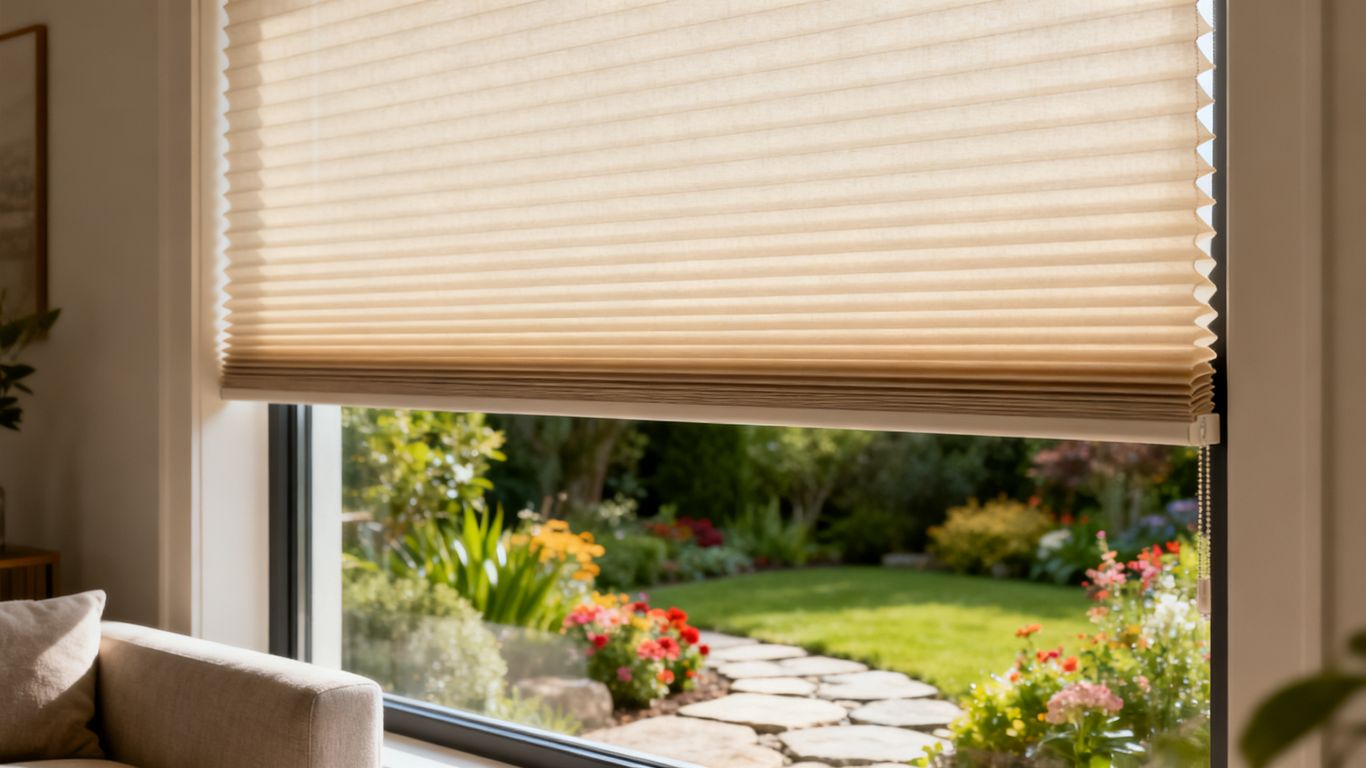
Many homeowners reach out to us when they see their utility bills rising without a clear cause. Energy efficiency usually starts at the window, where the most significant heat exchange occurs. By choosing the right cover, you can stop paying to heat or cool the outdoors.
Reducing heat transfer during summer months
High-density honeycomb cells reflect solar glare before it permeates the room. This simple switch keeps your floors from baking and saves your air conditioner from running constantly. It is an effective way to stay cool while keeping the sunshine in balance.
Minimizing heat loss in the winter
Cold glass is a massive thief of warmth in North Jersey homes. When you lower your shades as the sun sets, you lock in the air temperature immediately next to the glass. This seal prevents convective heat loss in evening hours when the temperature drops sharply.
Impact on your monthly energy bills
To understand the savings, consider how different window treatments perform across a calendar year. The following table highlights why homeowners switch to custom options for better savings.
| Treatment Type | Summer Solar Benefit | Winter Insulation Benefit | Estimated Energy Impact |
|---|---|---|---|
| Standard Slatted Blinds | Low | Negligible | Minimal |
| Fabric Roller Shades | Moderate | Low | Moderate |
| Double-Cell Shades | High | Excellent | Significant |
Because every room is unique, consulting with a window treatment expert often helps identify where this level of efficiency makes the biggest dent in your monthly expenses.
Selecting the perfect opacity and material
Your need for light control depends entirely on the rhythm of your day-to-day life. A living room requires something different than a home theater or nursery, and the right fabric choice makes all the difference.
Light-filtering options for ambient light
If you love a bright, airy space but want to avoid the harshness of direct glare, light-filtering fabrics are your best friend. They diffuse incoming sunlight into a soft glow, protecting your furniture from UV damage without forcing you to turn on your overhead lights at noon.
Room-darkening and blackout features
For bedrooms, we always recommend room-darkening or true blackout liners. These materials block almost all incoming light, helping you maintain a sleep-friendly environment even during the brightest summer mornings.
Balancing aesthetic appeal with functionality
Style does not have to be sacrificed for performance. Modern fabrics come in a vast array of textures and colors, from clean neutrals to bold statement patterns. You can achieve a custom look that integrates perfectly with your existing decor while still enjoying the thermal benefits of EcoSmart Shades at your windows.
Customizing cell sizes for your space
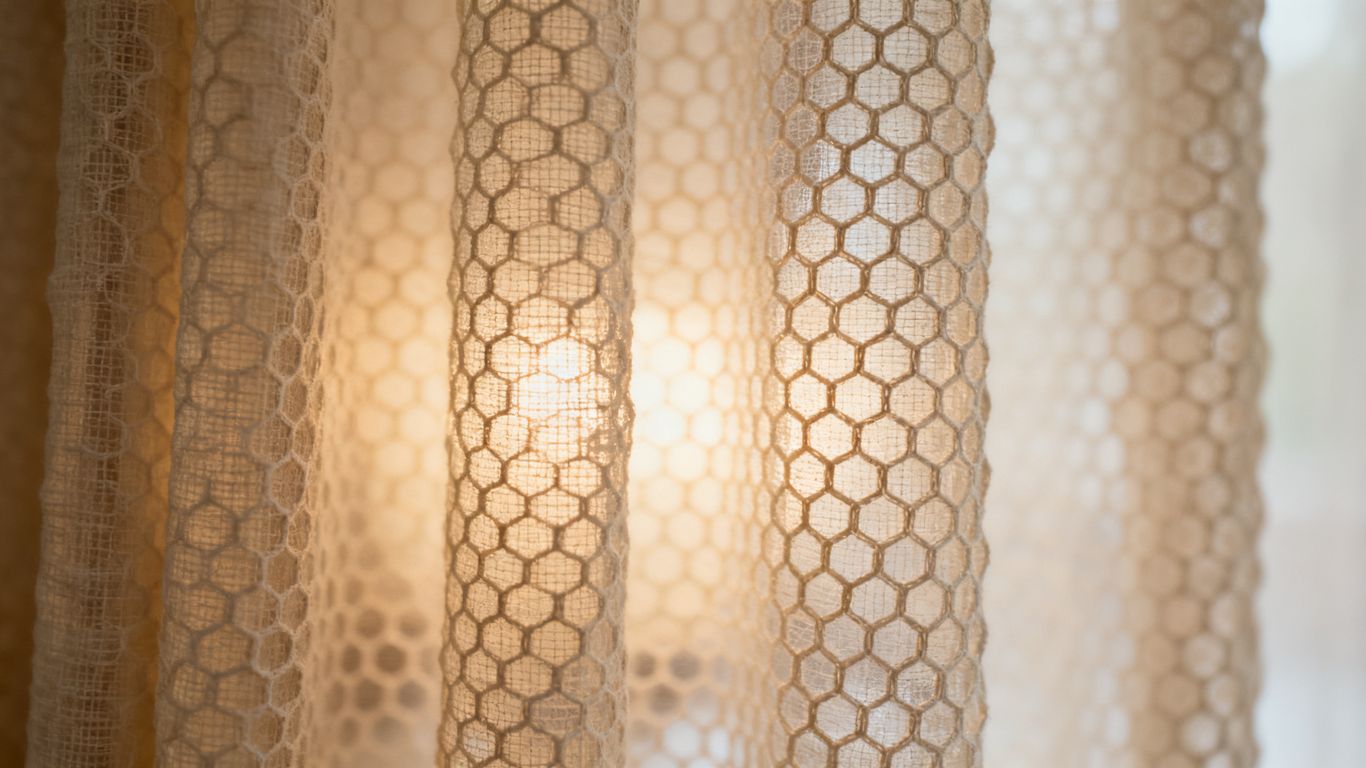
Not every window is the same, and neither is the level of insulation required. Selecting the right cell size is a practical decision that influences both the visual weight of the window and the thermal efficiency of the product.
The benefits of single-cell designs
Single-cell shades are slim and unobtrusive, making them a great fit for smaller windows or rooms where you want a cleaner, more minimalist profile. They offer good insulation without adding too much depth to the window frame.
Enhanced insulation of double-cell options
Double-cell shades feature a second layer of honeycomb cells nested inside the first. This creates a thicker air pocket, providing a noticeable bump in insulation value. These are ideal for large picture windows or rooms that are prone to drafty patches during extreme weather.
How cell size influences visual proportion
We typically guide clients by looking at the scale of their trim and wall space. You might find that larger windows look more proportional with wider, more substantial cells, while standard window sizes benefit from tighter, denser cell stacks for a refined finish.
Integrating modern operation and smart home technology
Operational convenience is often the deciding factor in how much a homeowner enjoys their windows. Modern lift systems have come a long way, and today, they are designed to be both safe and remarkably easy to use.
Benefits of cordless lift systems
Cordless designs offer a clean aesthetic and are essential for homes with children or pets. By removing dangling cords, you enhance both the safety and the streamlined beauty of your window coverings.
Automating shades with smart home systems
Integration into your smart ecosystem is simpler than most people realize. Using automation allows you to trigger your shades based on sunset or temperature sensors. This is a passive way to maintain energy efficiency while you focus on your day.
Voice command and scheduling features
Imagine saying a command to close your bedroom shades as you climb into bed. Scheduling features allow your home to adapt throughout the day, providing privacy when you need it and light when you want it, all without moving a finger.
Measuring and installing your custom honeycomb shades
Getting this right the first time is why we emphasize the importance of professional support. Measuring a window accurately involves more than just a tape measure; it requires knowledge of frame depth, obstructions, and mounting nuances.
Evaluating inside versus outside mounting options
Inside mounts offer a flush, professional look but rely on specific frame clearances. Outside mounts, conversely, can hide frame gaps and provide better light-blocking coverage, especially if your window trim is uneven or shallow.
Precision measuring for window treatments
Precision matters because your shades are custom-made for your exact window dimensions. A minor error can result in a shade that hangs crookedly or fails to block light along the edges, which is why we always recommend a professional eye during the initial phases of your project.
Why professional installation ensures better performance
Installation is where the final polish happens. A professional installer accounts for level headers and ensures that your hardware is secure. This guarantees that your shades operate smoothly for years to come, avoiding the mechanical failures that come with improper setup.
Maintaining your honeycomb shades
Proper care will keep your investment looking fresh for a long time. These materials are built to be low-maintenance, and a few simple habits will keep them in perfect working order.
Routine dusting and spot cleaning techniques
A quick dusting with a microfiber cloth or the brush attachment of your vacuum is usually all you need to keep your cells clean. For tougher spots, a gentle touch with a damp, soft cloth is sufficient—just avoid harsh chemicals or excessive water that might warp the fabric.
Safe handling of cellular fabrics
Always raise and lower your shades by the handle or the center of the bottom rail to ensure they track evenly as they move. Avoiding uneven pressure helps the mechanisms last longer.
Troubleshooting common mechanical issues
Should your shade start to tilt or stop retracting smoothly, don’t force it. Most issues are related to tension adjustment or debris in the headrail, which we can resolve quickly. We are always here to help you get your window treatments moving perfectly again if something feels slightly off.
Conclusion
Making the right choice for your home’s windows is an investment in both your long-term comfort and your environmental footprint. By understanding the unique benefits of honeycomb design and focusing on quality, you ensure a home that is as beautiful as it is cozy. These shades are more than just a covering; they are a practical, high-performance solution that makes every room feel better from morning until night.
Frequently Asked Questions
Are cellular shades energy efficient?
Yes, their honeycomb structure creates air pockets that function as a thermal barrier, helping to regulate indoor temperatures throughout the year.
Can cellular shades block all light?
Yes, choosing blackout-rated fabrics will effectively block nearly all light, making them perfect for rooms where complete darkness is needed.
Are these shades safe for homes with children?
Yes, cordless lift systems and motorized options represent significant safety upgrades by eliminating the dangerous loops and cords found in older window treatment styles.
Can I install honeycomb shades on unique window shapes?
Yes, custom shades are frequently produced for specialty window shapes, including arches, angles, and even skylights, to provide consistent light control and insulation.
How does the cell size affect insulation?
Generally, larger or double-cell designs trap more air, which often results in a higher R-value and potentially better insulation than the smallest single-cell options.
Do cellular shades work with smart home apps?
Many styles support motorized lift integration, which can be connected to standard smart home hubs for control via apps, schedules, or voice commands.
How do I clean my cellular shades?
Regularly dusting with a soft brush attachment on your vacuum is the best way to maintain them without needing to remove them from the window mount.